 By
By
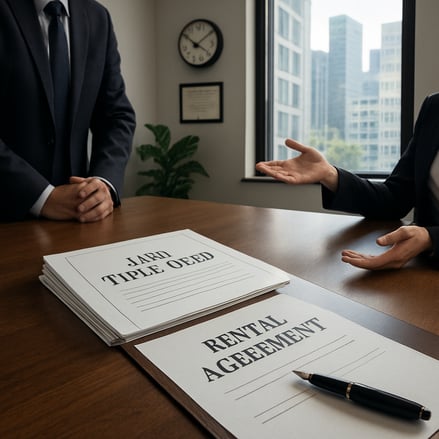
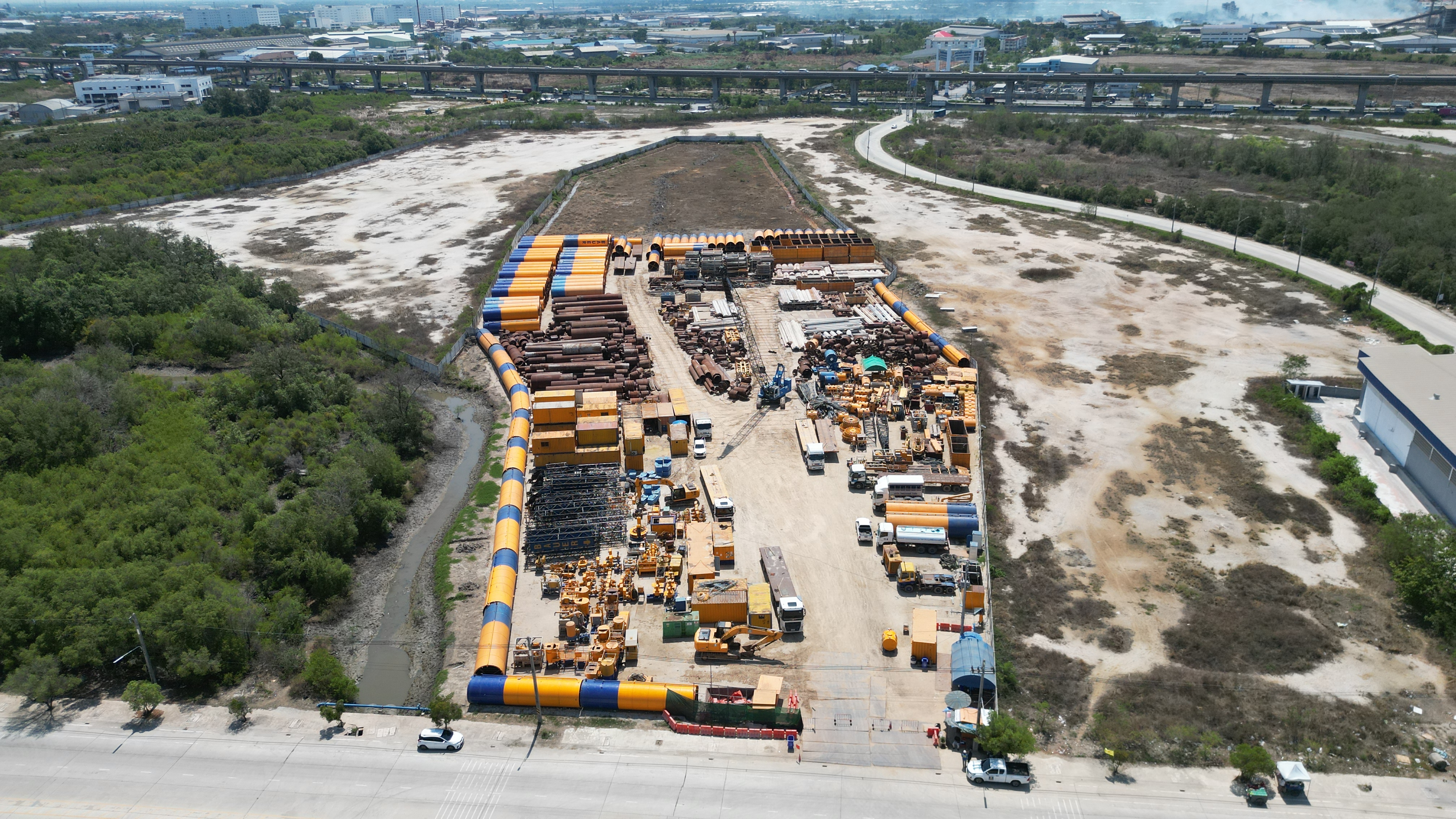
Long-term leases generally involve a higher level of investment compared to standard short-term leases. For example, a tenant may lease vacant land for a period of 20 years, during which the tenant is required to pay an upfront lump-sum payment, monthly rent, and also invest in the construction of buildings and the installation of machinery and equipment on the leased land at their own cost.
Investments of this nature typically have a payback period of more than three years. As a result, tenants need long-term security and seek to reduce the risk of being unable to renew the lease in the future. For this reason, long-term leasing arrangements are inherently more complex and carry higher risks than ordinary leases. Investors should therefore have a proper understanding of the procedures, legal framework, structures, and common practices associated with long-term leases in order to avoid commercial and legal disadvantages.
Advantages of Lease Registration
Registering a lease at the Land Office provides several key benefits to the tenant, including the following:
-
The tenant’s name will be endorsed on the back of the title deed, preventing the landowner from selling the land or creating encumbrances that could prejudice the tenant’s rights.
-
Any termination of the lease must be carried out by mutual consent of both parties at the Land Office. This gives the tenant confidence that the lease cannot be unilaterally terminated, while also assuring the landlord that the tenant will comply with the lease until its expiry.
-
In the event that the land is sold or ownership is transferred to a third party, the registered lease will automatically bind the new owner. The purchaser of the land must honor the lease until the end of its term.
-
Lease rights remain enforceable even if the landlord passes away. The heirs of the landowner are legally required to respect and continue the lease for its full duration.
-
Where the tenant receives investment privileges from the Board of Investment (BOI), rental payments for real estate—specifically long-term leases that are properly registered—may be treated as qualifying investment expenditure and used for tax incentive purposes. This is commonly seen in industrial and manufacturing projects.
Frequently Asked Questions on Long-Term Leases
Why is a registered long-term lease more complicated than a standard lease?
- Higher costs
In addition to stamp duty, a lease registration fee of 1% of the total lease value over the entire lease term (including monthly rent and any lump-sum payment) must be paid. When combined with stamp duty, the total cost is approximately 1.1%. For leases spanning several decades, this can be a substantial amount. - Registration at the Land Office
Both the tenant and the landlord must appear in person at the Land Office, or appoint authorized representatives, similar to a land ownership transfer process. - Extensive documentation
This includes board resolutions or meeting minutes of both parties, the original title deed, consent from the mortgagee (if the land is mortgaged), powers of attorney (if applicable), and typically the lump-sum payment is made by cashier’s check.
What type of lease is considered a long-term lease that must be registered?
-
Any lease with a term exceeding three years, for example, three years and one day.
-
A three-year lease that includes a clause stating that it “may be renewed for another three years” is not considered a long-term lease under the law.
Is it possible to avoid registration by repeatedly renewing three-year leases?
- Entering into consecutive three-year leases is not a safe long-term solution. The law may interpret this arrangement as an attempt to avoid lease registration fees, which could result in later lease terms being unenforceable.
- In practice, once the second lease term expires (a total of six years), the lease may no longer be legally enforceable. This creates significant risk for tenants who have made substantial capital investments.
Who is responsible for lease registration fees?
- This depends on the agreement between the parties. However, in most cases, the tenant is responsible for bearing these costs.
Other Key Considerations: Land and Building Tax and Demolition upon Lease Expiry
- In long-term leases of vacant land, particularly where the tenant constructs buildings or other structures on the land, the land and building tax rate will change and typically increase significantly.
- Some plots of land may originally be subject to a lower tax rate, such as agricultural land or vacant land where trees are planted to reduce tax liability. However, once the land is put to commercial use—whether for factories, warehouses, or other business operations—the tax rate will be reclassified as commercial or industrial land and building tax, which is materially higher.
- Tenants should therefore carefully calculate, from the outset, how much the land and building tax will increase once the land is put into use, and how this additional cost will affect the project’s long-term cost structure. Accordingly, the lease agreement should clearly specify which party is responsible for land and building tax.
- In addition, the lease agreement should clearly address what happens to the buildings or structures constructed by the tenant upon expiry of the lease. The agreement should specify which party is responsible for demolition or other arrangements. In some cases, tenants may not wish to leave any structures behind, as doing so could expose business secrets or allow competitors to lease the premises and operate competing businesses. For these reasons, some tenants are willing to bear the full cost of demolishing the buildings themselves. Such conditions should be clearly stipulated in the lease agreement from the outset.